
Helping senior pets live comfortable, healthy lives
Helping senior pets live comfortable, healthy lives
Discover how routine health monitoring, nutrition, and lifestyle adjustments improve quality of life for aging pets.
Discover how routine health monitoring, nutrition, and lifestyle adjustments improve quality of life for aging pets.

Nice to meet you

Get $50 off your pet's first visit.
Healthcare Services
Vaccinations
Protect your pet from common diseases with timely, essential vaccinations and preventive care.
Vaccinations
Protect your pet from common diseases with timely, essential vaccinations and preventive care.
Health Checkups
Regular wellness exams help detect health concerns early and keep pets thriving.
Health Checkups
Regular wellness exams help detect health concerns early and keep pets thriving.
Surgical Care
Compassionate surgical care supported by experienced veterinarians and modern facilities.
Surgical Care
Compassionate surgical care supported by experienced veterinarians and modern facilities.
Nice to meet you

Get $50 off your pet's first visit.
Healthcare Services
Vaccinations
Protect your pet from common diseases with timely, essential vaccinations and preventive care.
Health Checkups
Regular wellness exams help detect health concerns early and keep pets thriving.
Surgical Care
Compassionate surgical care supported by experienced veterinarians and modern facilities.
Key Takeaways
Schedule twice-yearly veterinary exams for early detection
Provide orthopedic bedding, ramps, and non-slip flooring for joint support.
Feed senior-specific diets with adjusted protein, fat, and joint supplements.
Maintain gentle, daily exercise to preserve mobility and mental health.
Monitor for cognitive decline, vision loss, and hearing changes.
Focus on quality of life — comfort, love, and dignity matter most.

Knowledge is one of the greatest gifts you can give your pet.
Caring for senior pets starts with understanding their changing needs
Every pet deserves a life filled with good health, comfort, and happiness. While quality nutrition and daily exercise are essential throughout life, senior pets require extra attention, compassion, and specialized care to enjoy their golden years with dignity and vitality. Building healthy habits early allows veterinarians to identify age-related concerns before they become serious, and helps pet parents provide the comfort and support their aging companions deserve.
Routine veterinary visits are essential, and more than annual checkups — for senior pets, twice-yearly exams are often recommended. During each appointment, veterinarians evaluate your pet's physical condition, monitor weight, assess mobility, examine the eyes, ears, skin, teeth, and heart, and discuss any behavioral or lifestyle changes. These regular evaluations create a complete picture of your pet's overall well-being and allow personalized healthcare recommendations tailored to aging bodies.
Understanding the aging process in pets
Pets are considered seniors at different ages depending on their size and breed. Small dogs and cats typically enter their senior years around age 7-10, while giant breed dogs may be seniors as early as age 5-6. Aging brings gradual changes in vision, hearing, mobility, organ function, and cognitive ability. Recognizing these changes early allows for proactive management and improved quality of life.
Common age-related conditions include arthritis, dental disease, kidney disease, diabetes, heart disease, cancer, cognitive dysfunction, and sensory decline. Senior pets may also experience decreased immune function, making them more vulnerable to infections. Regular veterinary monitoring, blood work, and diagnostic screenings are essential for early detection and effective management of these conditions.
Feed for senior health and vitality
Balanced nutrition is the foundation of a healthy and active life for every pet, and senior pets have unique dietary needs. Choosing high-quality food that matches your companion's age, breed, activity level, and individual health needs supports healthy aging, strong immunity, proper digestion, and sustained energy throughout their golden years. Senior diets often feature adjusted protein, fat, and calorie levels, along with added joint supplements like glucosamine and chondroitin.
Good nutrition goes beyond selecting the right food. Fresh drinking water, appropriate portion sizes, healthy treats, and regular weight monitoring all contribute to maintaining ideal body condition. Obesity exacerbates arthritis and other age-related conditions, while weight loss can signal underlying disease. Your veterinarian can also recommend specialized diets where additional nutritional support is needed for kidney, heart, or digestive health.
Never ignore age-related changes
Your senior pet's behavior is vital to their overall health. Changes in appetite, energy levels, sleeping habits, or behavior can often be the earliest signs of an underlying medical condition. During every wellness visit, our veterinarians take the time to discuss the changes you've noticed at home, helping identify common health issues and provide appropriate solutions.
Our veterinary team is happy to discuss any questions or observations, including:
Eating habits — loss of appetite, picky eating, or difficulty chewing
Water intake — excessive drinking or decreased thirst
Activity levels — reluctance to move, climb stairs, or play
Behavioral changes — confusion, disorientation, anxiety, or irritability
Weight fluctuations — unexplained loss or gain
Sleeping patterns — excessive sleeping, restlessness, or night-time waking
Energy levels — unusual tiredness or weakness
Mobility — stiffness, limping, or difficulty rising
Vision and hearing — bumping into objects, not responding to calls
House soiling — accidents in the house or changes in litter box habits
Dental health — bad breath, drooling, or difficulty eating
Skin and coat — dryness, thinning, lumps, or bumps
Exercise also provides valuable mental stimulation that reduces boredom, anxiety, and unwanted behaviors. Whether it's a gentle walk or interactive play with a senior companion, every pet benefits from an activity routine designed to match their age.
End-of-life care and quality of life
As pets reach their final stages, quality of life becomes the primary focus. Regular quality-of-life assessments help guide decisions about ongoing care, pain management, and when to consider humane euthanasia. Signs of declining quality include chronic pain, inability to eat or drink, loss of interest in favorite activities, and difficulty breathing or moving.
Work closely with your veterinarian to manage pain and provide comfort. Palliative care, hospice support, and in-home euthanasia options are available to ensure your beloved companion's final days are peaceful and dignified. Cherish every moment, and remember that making compassionate end-of-life decisions is the ultimate expression of love.
Key Takeaways
Schedule twice-yearly veterinary exams for early detection
Provide orthopedic bedding, ramps, and non-slip flooring for joint support.
Feed senior-specific diets with adjusted protein, fat, and joint supplements.
Maintain gentle, daily exercise to preserve mobility and mental health.
Monitor for cognitive decline, vision loss, and hearing changes.
Focus on quality of life — comfort, love, and dignity matter most.
Knowledge is one of the greatest gifts you can give your pet.
Caring for senior pets starts with understanding their changing needs
Every pet deserves a life filled with good health, comfort, and happiness. While quality nutrition and daily exercise are essential throughout life, senior pets require extra attention, compassion, and specialized care to enjoy their golden years with dignity and vitality. Building healthy habits early allows veterinarians to identify age-related concerns before they become serious, and helps pet parents provide the comfort and support their aging companions deserve.
Routine veterinary visits are essential, and more than annual checkups — for senior pets, twice-yearly exams are often recommended. During each appointment, veterinarians evaluate your pet's physical condition, monitor weight, assess mobility, examine the eyes, ears, skin, teeth, and heart, and discuss any behavioral or lifestyle changes. These regular evaluations create a complete picture of your pet's overall well-being and allow personalized healthcare recommendations tailored to aging bodies.
Understanding the aging process in pets
Pets are considered seniors at different ages depending on their size and breed. Small dogs and cats typically enter their senior years around age 7-10, while giant breed dogs may be seniors as early as age 5-6. Aging brings gradual changes in vision, hearing, mobility, organ function, and cognitive ability. Recognizing these changes early allows for proactive management and improved quality of life.
Common age-related conditions include arthritis, dental disease, kidney disease, diabetes, heart disease, cancer, cognitive dysfunction, and sensory decline. Senior pets may also experience decreased immune function, making them more vulnerable to infections. Regular veterinary monitoring, blood work, and diagnostic screenings are essential for early detection and effective management of these conditions.
Feed for senior health and vitality
Balanced nutrition is the foundation of a healthy and active life for every pet, and senior pets have unique dietary needs. Choosing high-quality food that matches your companion's age, breed, activity level, and individual health needs supports healthy aging, strong immunity, proper digestion, and sustained energy throughout their golden years. Senior diets often feature adjusted protein, fat, and calorie levels, along with added joint supplements like glucosamine and chondroitin.
Good nutrition goes beyond selecting the right food. Fresh drinking water, appropriate portion sizes, healthy treats, and regular weight monitoring all contribute to maintaining ideal body condition. Obesity exacerbates arthritis and other age-related conditions, while weight loss can signal underlying disease. Your veterinarian can also recommend specialized diets where additional nutritional support is needed for kidney, heart, or digestive health.
Never ignore age-related changes
Your senior pet's behavior is vital to their overall health. Changes in appetite, energy levels, sleeping habits, or behavior can often be the earliest signs of an underlying medical condition. During every wellness visit, our veterinarians take the time to discuss the changes you've noticed at home, helping identify common health issues and provide appropriate solutions.
Our veterinary team is happy to discuss any questions or observations, including:
Eating habits — loss of appetite, picky eating, or difficulty chewing
Water intake — excessive drinking or decreased thirst
Activity levels — reluctance to move, climb stairs, or play
Behavioral changes — confusion, disorientation, anxiety, or irritability
Weight fluctuations — unexplained loss or gain
Sleeping patterns — excessive sleeping, restlessness, or night-time waking
Energy levels — unusual tiredness or weakness
Mobility — stiffness, limping, or difficulty rising
Vision and hearing — bumping into objects, not responding to calls
House soiling — accidents in the house or changes in litter box habits
Dental health — bad breath, drooling, or difficulty eating
Skin and coat — dryness, thinning, lumps, or bumps
Exercise also provides valuable mental stimulation that reduces boredom, anxiety, and unwanted behaviors. Whether it's a gentle walk or interactive play with a senior companion, every pet benefits from an activity routine designed to match their age.
End-of-life care and quality of life
As pets reach their final stages, quality of life becomes the primary focus. Regular quality-of-life assessments help guide decisions about ongoing care, pain management, and when to consider humane euthanasia. Signs of declining quality include chronic pain, inability to eat or drink, loss of interest in favorite activities, and difficulty breathing or moving.
Work closely with your veterinarian to manage pain and provide comfort. Palliative care, hospice support, and in-home euthanasia options are available to ensure your beloved companion's final days are peaceful and dignified. Cherish every moment, and remember that making compassionate end-of-life decisions is the ultimate expression of love.
Related Post
Related Post

Aug 19, 2026
Latest pet care tips and trusted expert advice
Explore trusted veterinary insights, wellness tips, and practical guidance to keep every pet healthy.
Aug 19, 2026
Latest pet care tips and trusted expert advice
Explore trusted veterinary insights, wellness tips, and practical guidance to keep every pet healthy.
Aug 19, 2026
Latest pet care tips and trusted expert advice
Explore trusted veterinary insights, wellness tips, and practical guidance to keep every pet healthy.

Aug 19, 2026
Keep pets safe during summer heat every day together
Learn how to prevent dehydration, heatstroke, and other warm-weather risks while keeping your pet.
Aug 19, 2026
Keep pets safe during summer heat every day together
Learn how to prevent dehydration, heatstroke, and other warm-weather risks while keeping your pet.
Aug 19, 2026
Keep pets safe during summer heat every day together
Learn how to prevent dehydration, heatstroke, and other warm-weather risks while keeping your pet.
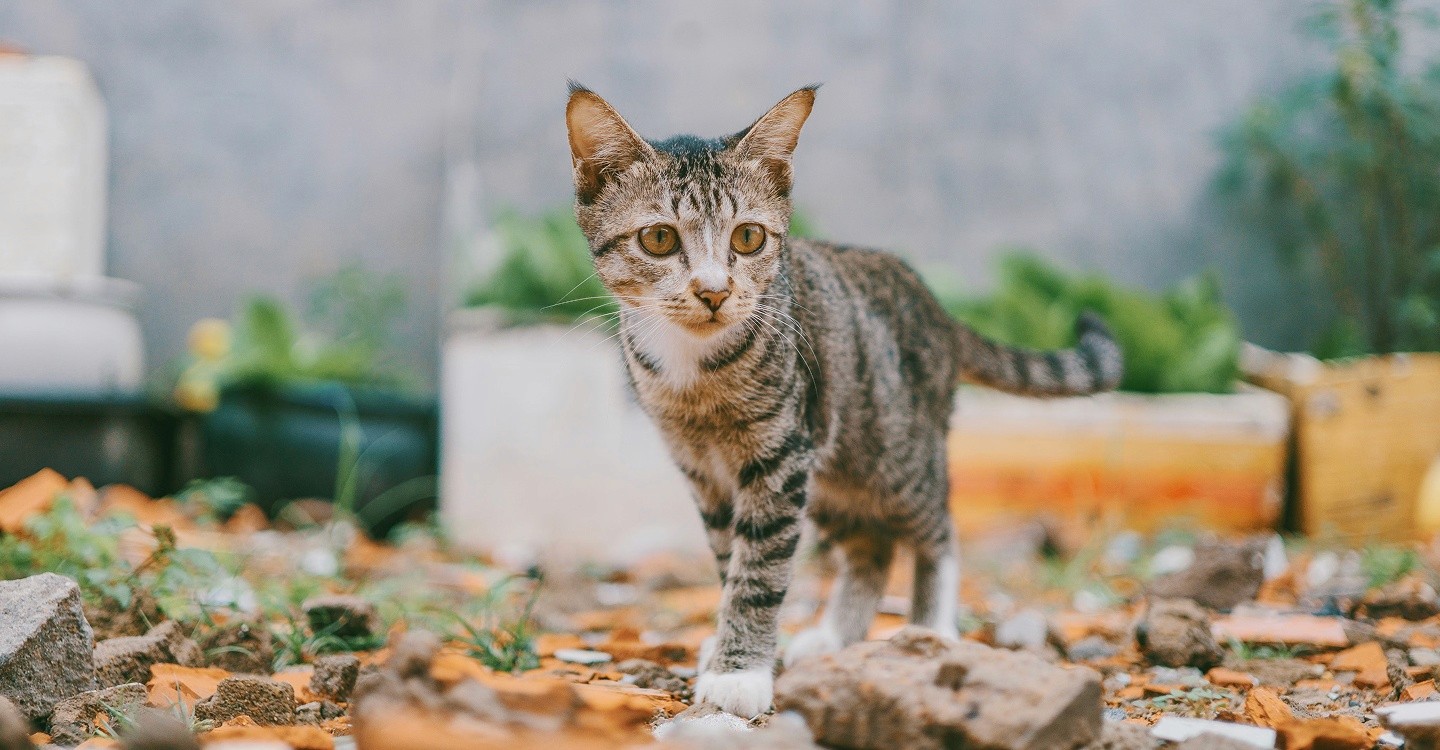
Aug 19, 2026
Recognize pet emergency warning signs to protect pets
Learn the warning signs that may require immediate veterinary attention.
Aug 19, 2026
Recognize pet emergency warning signs to protect pets
Learn the warning signs that may require immediate veterinary attention.
Aug 19, 2026
Recognize pet emergency warning signs to protect pets
Learn the warning signs that may require immediate veterinary attention.