
Why your pet's dental health matters more than you think
Why your pet's dental health matters more than you think
Understand how routine dental care prevents disease, improves comfort, and supports your pet's.
Understand how routine dental care prevents disease, improves comfort, and supports your pet's.

Nice to meet you

Get $50 off your pet's first visit.
Healthcare Services
Vaccinations
Protect your pet from common diseases with timely, essential vaccinations and preventive care.
Vaccinations
Protect your pet from common diseases with timely, essential vaccinations and preventive care.
Health Checkups
Regular wellness exams help detect health concerns early and keep pets thriving.
Health Checkups
Regular wellness exams help detect health concerns early and keep pets thriving.
Surgical Care
Compassionate surgical care supported by experienced veterinarians and modern facilities.
Surgical Care
Compassionate surgical care supported by experienced veterinarians and modern facilities.
Nice to meet you

Get $50 off your pet's first visit.
Healthcare Services
Vaccinations
Protect your pet from common diseases with timely, essential vaccinations and preventive care.
Health Checkups
Regular wellness exams help detect health concerns early and keep pets thriving.
Surgical Care
Compassionate surgical care supported by experienced veterinarians and modern facilities.
Key Takeaways
Brush your pet's teeth daily with pet-safe toothpaste.
Watch for bad breath, red gums, or difficulty eating.
Schedule professional dental cleanings as recommended by your vet.
Provide dental chews and toys that support oral health.
Never use human toothpaste — it contains harmful ingredients.
Dental disease affects more than teeth — it impacts the heart and kidneys.
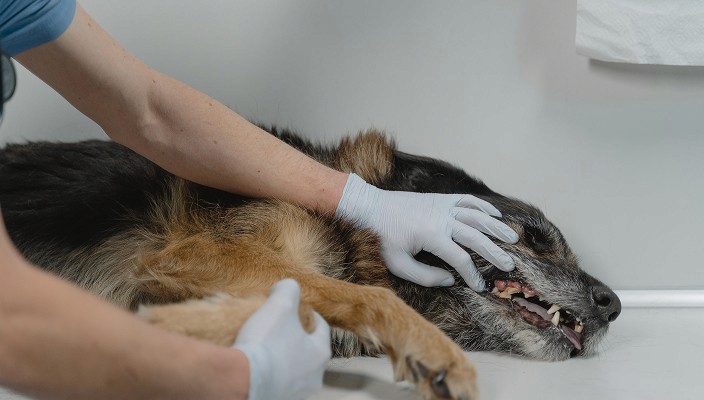
Knowledge is one of the greatest gifts you can give your pet.
Caring for your pet's smile
Every pet deserves a life filled with good health, comfort, and happiness. While quality nutrition and daily exercise are essential, dental health plays the most important role in helping pets avoid serious illnesses and enjoy longer, healthier lives. Building healthy dental habits early allows veterinarians to identify potential concerns before they become painful or life-threatening, and prevents the worry that comes with advanced dental disease.
Routine veterinary visits are essential, and more than annual checkups.
During each appointment, veterinarians evaluate your pet's physical condition, monitor weight, assess mobility, examine the eyes, ears, skin, teeth, and heart, and discuss any behavioral or lifestyle changes. These regular evaluations create a complete picture of your pet's overall well-being and allow personalized healthcare recommendations. A thorough oral examination is a critical part of every wellness visit.
The hidden dangers of poor dental health
Dental disease is one of the most common yet overlooked health issues in pets. By age three, most dogs and cats show some signs of periodontal disease. What starts as plaque and tartar buildup quickly progresses to gingivitis, gum infection, and tooth decay. But the danger doesn't stop there — bacteria from the mouth can enter the bloodstream and affect major organs including the heart, liver, and kidneys.
Bad breath is often the first warning sign, but many pet parents dismiss it as normal. In reality, persistent foul odor indicates bacterial overgrowth. Other signs include yellow or brown teeth, red or swollen gums, bleeding, difficulty eating, pawing at the mouth, drooling, and loose or missing teeth. If you notice any of these signs, schedule a dental evaluation promptly. Early intervention prevents pain, tooth loss, and costly treatments.
Feed for better dental health
Balanced nutrition is the foundation of a healthy and active life for every pet, and diet plays a significant role in dental wellness. Choosing high-quality food that matches your companion's age, breed, activity level, and individual health needs supports healthy teeth and gums. Specially formulated dental diets, dental chews, and crunchy kibble can help reduce plaque buildup through mechanical abrasion.
Good nutrition goes beyond selecting the right food. Fresh drinking water, appropriate portion sizes, healthy dental treats, and regular weight monitoring all contribute to maintaining ideal body condition. Your veterinarian can also recommend specialized dental diets where additional oral support is needed. Avoid sticky, sugary treats that promote plaque formation, and always provide fresh water to help wash away food particles.
Never ignore changes in chewing habits
Your pet's behavior is vital to their overall health. Changes in eating habits, chewing patterns, or food preferences can often be the earliest signs of dental pain or underlying oral disease. During every wellness visit, our veterinarians take the time to discuss the changes you've noticed at home, helping identify common dental issues and provide appropriate solutions.
Our veterinary team is happy to discuss any questions or observations, including:
Eating habits — reluctance to eat, dropping food, or chewing on one side
Water intake — changes in drinking patterns
Activity levels — lethargy or reduced playfulness
Behavioral changes — irritability, hiding, or sensitivity around the face
Weight fluctuations — weight loss due to painful eating
Sleeping patterns — disrupted sleep from oral discomfort
Energy levels — unusual tiredness or weakness
Bad breath — persistent foul odor from the mouth
Gum appearance — redness, swelling, or bleeding
Tooth condition — discoloration, looseness, or visible damage
Regular dental checkups and professional cleanings under anesthesia allow thorough examination below the gum line, where most problems begin. Don't wait for visible symptoms — proactive dental care prevents pain and protects your pet's overall health.
Professional dental care saves lives
While at-home care is essential, professional veterinary dental cleanings are irreplaceable. These procedures allow thorough scaling and polishing of all tooth surfaces, removal of tartar above and below the gum line, and full-mouth X-rays to detect hidden issues like root abscesses, bone loss, and tumors. Anesthesia ensures your pet remains comfortable and still, allowing a complete and safe cleaning.
Ignoring dental disease can lead to tooth loss, chronic pain, and systemic infections. In severe cases, advanced periodontal disease can shorten your pet's lifespan by years. Investing in professional dental care is one of the most impactful decisions you can make for your pet's long-term health. Ask your veterinarian about the recommended frequency for cleanings based on your pet's breed, age, and individual risk factors.
Key Takeaways
Brush your pet's teeth daily with pet-safe toothpaste.
Watch for bad breath, red gums, or difficulty eating.
Schedule professional dental cleanings as recommended by your vet.
Provide dental chews and toys that support oral health.
Never use human toothpaste — it contains harmful ingredients.
Dental disease affects more than teeth — it impacts the heart and kidneys.
Knowledge is one of the greatest gifts you can give your pet.
Caring for your pet's smile
Every pet deserves a life filled with good health, comfort, and happiness. While quality nutrition and daily exercise are essential, dental health plays the most important role in helping pets avoid serious illnesses and enjoy longer, healthier lives. Building healthy dental habits early allows veterinarians to identify potential concerns before they become painful or life-threatening, and prevents the worry that comes with advanced dental disease.
Routine veterinary visits are essential, and more than annual checkups.
During each appointment, veterinarians evaluate your pet's physical condition, monitor weight, assess mobility, examine the eyes, ears, skin, teeth, and heart, and discuss any behavioral or lifestyle changes. These regular evaluations create a complete picture of your pet's overall well-being and allow personalized healthcare recommendations. A thorough oral examination is a critical part of every wellness visit.
The hidden dangers of poor dental health
Dental disease is one of the most common yet overlooked health issues in pets. By age three, most dogs and cats show some signs of periodontal disease. What starts as plaque and tartar buildup quickly progresses to gingivitis, gum infection, and tooth decay. But the danger doesn't stop there — bacteria from the mouth can enter the bloodstream and affect major organs including the heart, liver, and kidneys.
Bad breath is often the first warning sign, but many pet parents dismiss it as normal. In reality, persistent foul odor indicates bacterial overgrowth. Other signs include yellow or brown teeth, red or swollen gums, bleeding, difficulty eating, pawing at the mouth, drooling, and loose or missing teeth. If you notice any of these signs, schedule a dental evaluation promptly. Early intervention prevents pain, tooth loss, and costly treatments.
Feed for better dental health
Balanced nutrition is the foundation of a healthy and active life for every pet, and diet plays a significant role in dental wellness. Choosing high-quality food that matches your companion's age, breed, activity level, and individual health needs supports healthy teeth and gums. Specially formulated dental diets, dental chews, and crunchy kibble can help reduce plaque buildup through mechanical abrasion.
Good nutrition goes beyond selecting the right food. Fresh drinking water, appropriate portion sizes, healthy dental treats, and regular weight monitoring all contribute to maintaining ideal body condition. Your veterinarian can also recommend specialized dental diets where additional oral support is needed. Avoid sticky, sugary treats that promote plaque formation, and always provide fresh water to help wash away food particles.
Never ignore changes in chewing habits
Your pet's behavior is vital to their overall health. Changes in eating habits, chewing patterns, or food preferences can often be the earliest signs of dental pain or underlying oral disease. During every wellness visit, our veterinarians take the time to discuss the changes you've noticed at home, helping identify common dental issues and provide appropriate solutions.
Our veterinary team is happy to discuss any questions or observations, including:
Eating habits — reluctance to eat, dropping food, or chewing on one side
Water intake — changes in drinking patterns
Activity levels — lethargy or reduced playfulness
Behavioral changes — irritability, hiding, or sensitivity around the face
Weight fluctuations — weight loss due to painful eating
Sleeping patterns — disrupted sleep from oral discomfort
Energy levels — unusual tiredness or weakness
Bad breath — persistent foul odor from the mouth
Gum appearance — redness, swelling, or bleeding
Tooth condition — discoloration, looseness, or visible damage
Regular dental checkups and professional cleanings under anesthesia allow thorough examination below the gum line, where most problems begin. Don't wait for visible symptoms — proactive dental care prevents pain and protects your pet's overall health.
Professional dental care saves lives
While at-home care is essential, professional veterinary dental cleanings are irreplaceable. These procedures allow thorough scaling and polishing of all tooth surfaces, removal of tartar above and below the gum line, and full-mouth X-rays to detect hidden issues like root abscesses, bone loss, and tumors. Anesthesia ensures your pet remains comfortable and still, allowing a complete and safe cleaning.
Ignoring dental disease can lead to tooth loss, chronic pain, and systemic infections. In severe cases, advanced periodontal disease can shorten your pet's lifespan by years. Investing in professional dental care is one of the most impactful decisions you can make for your pet's long-term health. Ask your veterinarian about the recommended frequency for cleanings based on your pet's breed, age, and individual risk factors.
Related Post
Related Post

Aug 19, 2026
Latest pet care tips and trusted expert advice
Explore trusted veterinary insights, wellness tips, and practical guidance to keep every pet healthy.
Aug 19, 2026
Latest pet care tips and trusted expert advice
Explore trusted veterinary insights, wellness tips, and practical guidance to keep every pet healthy.
Aug 19, 2026
Latest pet care tips and trusted expert advice
Explore trusted veterinary insights, wellness tips, and practical guidance to keep every pet healthy.

Aug 19, 2026
Keep pets safe during summer heat every day together
Learn how to prevent dehydration, heatstroke, and other warm-weather risks while keeping your pet.
Aug 19, 2026
Keep pets safe during summer heat every day together
Learn how to prevent dehydration, heatstroke, and other warm-weather risks while keeping your pet.
Aug 19, 2026
Keep pets safe during summer heat every day together
Learn how to prevent dehydration, heatstroke, and other warm-weather risks while keeping your pet.

Aug 19, 2026
Recognize pet emergency warning signs to protect pets
Learn the warning signs that may require immediate veterinary attention.
Aug 19, 2026
Recognize pet emergency warning signs to protect pets
Learn the warning signs that may require immediate veterinary attention.
Aug 19, 2026
Recognize pet emergency warning signs to protect pets
Learn the warning signs that may require immediate veterinary attention.